Monday, August 16, 2021

2 or 3 Things I know About Her (France: Jean-Luc Godard, 1967)


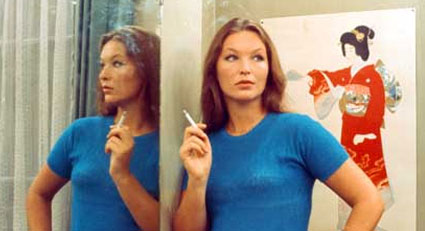
In 2 or 3 Things I Know About Her (2 ou 3 choses que je sais d’elle), Jean-Luc Godard beckons us ever closer, whispering in our ears as narrator. About what? Money, sex, fashion, the city, love, language, war: in a word, everything. Among the legendary French filmmaker’s finest achievements, the film takes as its ostensible subject the daily life of Juliette Janson (Marina Vlady), a housewife from the Paris suburbs who prostitutes herself for extra money. Yet this is only a template for Godard to spin off into provocative philosophical tangents and gorgeous images. 2 or 3 Things I Know About Her is perhaps Godard’s most revelatory look at consumer culture, shot in ravishing widescreen color by Raoul Coutard. (source)

2 or 3 Things I know About Her (France: Jean-Luc Godard, 1967: 87 mins)

Barnhart, Scotty. "The Wave Surfs Me." The Cine-Files #2 (Spring 2012)

 Bredin, John. "2 or 3 Ways Godard Taught Us How to Speak and Live." Acidemic (2013) ["Shy people take notice. Sometimes we become shy (and I myself still feel shy at times, depending, naturally, on who I'm with, or the situation), better still, let me phrase it a different way: we say that we're shy, or inarticulate, or afraid to talk, when in reality we're simply numbed by over-exposure to the prepackaged speech of movies and television shows: talk that's fakely fluid in the Hollywood sense. After watching actors speak brilliantly, dashing off hilarious applause lines as if they were talking naturally when, in reality, they spent days or weeks memorizing a pre-written script by comparison, our own conversational offerings might appear flat and boring to us. Certainly too, in a media-saturated age such as ours, because of our overexposure to glib, slick, oily-tongued, sonorous anchor people and celebrities, one could easily see how a person might get the false, even monstrous impression that this is how real people should talk. Unable to achieve such a bizarre standard of faux eloquence in our own speech, we clam up. Philosopher Maxine Greene, critiquing such indurations in the mundane, talks about the need to resist passivity, to, partly through reflective art encounters she says, escape submergence in the everyday, the routine, the banal. Such submergence ought to include our current mass drowning, if you will, in a sea of pop cultural and media kitsch: a filling up of our heads, like the white cream inside a Twinkie, with a combination of advertisements, pop cultural fluff, and the grave pronouncements of the talking heads. Might such an inexorable assault on our cognitive and aesthetic apparatus tamp down our capacity to generate our own unique and creative thoughts, disabling our ability to write (and speak) our own essays to the world?"]

Brody, Richard. "An Exile in Paradise." The New Yorker (November 20, 2000)

Brody, Richard, Héloise Godet and Lawrence Kardish. "Discussing Godard." The Close Up #3 (November 2014)

Ford, Hamish. "Two or Three Things I Know About Her." Senses of Cinema #66 (March 2013)

Houston, Shaun. "2 or 3 Things I know About Her." Pop Matters (August 3, 2009)

Kogonada. "Godard in Fragments." The Current (February 10, 2016)

Taubin, Amy. "2 or 3 Things I Know About Her: The Whole and Its Parts." The Current (July 21, 2009)

Sunday, August 8, 2021

A Guide for Developing Critical Skills for Thinking About the World

 Michael D. Benton: A Guide for Developing Critical Skills for Thinking About the World (original 2019, last revised April 14, 2023)


For years on both sides of the ocean, groups of hard-liners have tried to present to their people unrealistic and fearful images of various nations and cultures in order to turn their differences into disagreements, their disagreements into enmities and their enmities into fears. Instilling fear in the people is an important tool used to justify extremist and fanatic behavior by narrow-minded individuals. -- Asghar Farhadi (Oscar winner for best foreign picture A Separation in 2012; Oscar nominated for Best Foreign picture The Salesman in 2016; banned by the Trump administration from entering the United States to attend the 2016 Oscars.)
What is needed is to hold oneself like a sliver to the heart of the world. -- Frantz Fanon, Black Skin, White Masks (Grove Press, 1967) 
If you have come here to help me, you are wasting your time.
But if you have come because your liberation is bound up with mine, then let us work together. -- Lilla Watson, Indigenous Australian/Murri artist, activist & academic (1985: she refers it more properly to originating from aboriginal activist groups in Queensland in the 1970s)
(These are focused on what we can do immediately and what we can cultivate in ourselves in order to realize a better society. The focus is on how we think and being critical about what we feed our brains. Of course, there are huge systemic issues that must be addressed, but I believe this is an initial step for preparing ourselves to think through these problems. Before you start, work on preparing your mind, body and spirit, follow these basic healthy everyday practices: exercise/movement throughout your day; cultivate a healthy diet; seek to get at least 8 hrs of solid sleep on a regular basis; get outside regularly to get vitamin D and experience the living world; do your best to attend real-life social events and communicate/interact with people in a non-customer service relationship; limit your screen time, especially before bed - take long media/internet breaks/fasts throughout your year)

For those that want to think about changing their community/society/world for the better. Develop this in yourself and cultivate it in others:

As citizens of a globalized world it is imperative that we begin to develop a broader awareness of the interconnected cultures and societies that influence and shape world events. Anyone remotely aware of the American social/cultural landscape must recognize that many of our citizens are unaware of the broader relations and connections of the world in which they live in. Many Americans tend to have a narrow understanding of world history, they are educated through banal, corporate textbooks and informed through mediatized narratives filtered through the lenses of the dominant center, both of these effectively ignore the realities of the margins (culturally, economically and socially). Many concerned citizens struggle to carve out meaning in the contemporary data stream and suffer the neglect of a mainstream media that limits itself to predigested dualistic positions. In this simplified media environment, vast regions of the world (and in the USA) are presumed to be unable to speak for themselves and rarely, in the mainstream corporate media that serves as the news for a majority of American citizens, do we receive sustained and in-depth critical analysis of issues through the voices and experiences of multiple interested perspectives.

Recognize the power of questions and do not let others silence/stifle your curiosity. Remember all knowledge is incomplete and in development. Life is too vast for any one
person/group/theory/discipline/profession/religion/culture/nation to grasp and understand. Take responsibility for your education/understanding. Learning is not passive. Any teacher/mentor worth the title knows that they are at best facilitators for your learning. Good teachers lay out a map, point out the paths for potential discovery, detours, and connections. Remember education involving ideas and perspectives - if it has a narrative, it is constructing a worldview - is never objective. Pay attention to the way that knowledge is presented/represented to you.

Do not be afraid to be sensitive. Resist the defensive mechanism of building a shell that insulates you from the realities of the world and cultivate empathy for all beings. A major stumbling block is believing you have to be perfect - we are humans, it isn't going to happen. However, do not solely become focused on your flaws/insecurities as that can paralyze you. Be critical and honest with yourself. Work on what you can, be honest with others as much as possible. Be careful of taking too much on ... do not overload yourself unnecessarily. Figure out what is important to you and what you can actually do.

Resist the social pressures to fear that which is different. Seek out different ways of being and seeing. Develop an understanding/knowledge about your world based upon engaged interactions/experiences with different people/cultures/beings. You do not have to accept what others say or do, but you do need to be open to what they are saying in order to learn from them (good or bad). Be suspicious of those that fear interaction with different ways of seeing/being as some kind of social/moral contamination. It says more about the corruption/insecurities of their beliefs/identity/associations than it does about those they fear.

Develop your empathy for others and fight against social injustices. Investigate/research the broad historical context for why something is the way it is. Avoid accepting the simple explanation/histories (and stereotypes). Be suspicious of the single, simple story that only provides one perspective, voice or cause. Ask what is missing from the frame that someone provides to understand an issue/problem. Map out your own perspective/beliefs. Where did they come from? Are they the product of your own explorations/experiences, or, were they learned at the knees of others? If your perspective/beliefs are genuine they can withstand examination & questioning. Be as critical with yourself as you are with others. Think through any proposal/resolution you wish to make. What are the implications and consequences of doing this or that? Remember, many of the horrors of our world (historically and contemporary) are the actions of people believing that what they are doing is the right thing to do.

Resist sliding into solipsism. Get outside. Build coalitions. Know that there is power in collective struggle (this is why authoritarian power structures often try to brutally suppress it). Recognize that you can't do it all yourself. Be critical of those who pursue/profess the fantasy that they have done it all on their own. Develop your voice and perspective (very important and necessary), but make sure you always engage with other voices/perspectives. Just as important as actively engaging/learning with/from those we admire, is actively discussing/learning with/from those we disagree with. Do not be afraid to admit you do not know about something, use it as an opportunity/inspiration to learn from another or later on your own. Regularly think about and question your own perspective/beliefs. It is easy to slip into a feedback loop and hard for us to perceive what is outside our goldfish bowl.

When developing a critique/argument learn what you are discussing as well as, if not better, than the proponents of what you are critiquing. Use their direct statements in order to represent their positions. Read/watch/listen-to as much as you can from their side and if at all possible discuss directly with supporters/advocates of what you wish to critique. Think about what your intent is, if it is to convince people to understand and maybe even agree with your perspective then do not engage needlessly in rude/insulting dismissals/attacks.

Be suspicious of any attempt to state: “this is the way it is and the way it always will be" or "that could never happen." Do not make 'blanket generalizations' about groupings/classifications of people. Avoid slipping into usage of stereotypes. Know your history (individual/family/community/society) and make the connections to other histories. Notice similarities and differences. Do not look down on another culture because they drive on the "wrong" side of the road. Learn to recognize the social construction of reality (practices/rituals/laws/taboos/values etc...). Remember that nothing human in this world simply came out of a vacuum and nothing will last forever.

If you feel the call to lead, cultivate transparency and demand the same of anyone else that attempts to lead. Leadership is service to your community, be suspicious of those that use leadership positions for self-aggrandizing stroking of their own ego. If you are in a leadership position, do not seek to punish or marginalize those that ask critical questions. Use their engagement to sharpen your own awareness and as an opportunity to think about how you can serve your community better. Most importantly, do not allow yourself to become isolated from the community you serve. Admit your mistakes and never fear to change course. Only fanatics/dictators/bullies believe they are always right (or that they know everything) and everyone else is wrong.

Recognize that the world we experience is heavily mediated (and what we call "mainstream media" is controlled by 5/6 corporations). Be critical about the information and entertainments you absorb, recognizing that in our media they often work hand in hand. Learn about propaganda/disinformation techniques so that you can defend your headspace and not mindlessly propagate misinformation. Seek periods of silence and reflection in order to be open to the universe in yourself. Constant noise/chatter is destructive to critical thought/awareness. Remember that technology/entertainments can act like a diversionary drug distracting us from the actual details and doings of the world. Even the intense pursuit of knowledge can isolate and distract if it becomes all consuming. Think of the political junkie, isolated intellectuals, fundamentalist believers, or sports' obsessives who become lost in their limited perspectives. Take breaks from the pursuit of knowledge/information or life online.  

Read a book - I repeat, read a book. Even if it is just one book a year carefully absorbed and reflected upon. You will learn immersively about that subject more than any surfing/sifting of endless internet texts/videos can provide. Use it as a training model for slowing down at times. Cook a meal and eat without distractions. Hang out quietly at a favorite outdoor place. I'm quite fond of babbling water sites and vast forests. Enjoy the wordless company of a special person. Just be at times.

Take the time to reflect. I like writing out my thoughts, but that is not the preferred medium for everyone and should not be over-privileged as the only/best way. Creative people, in their art & discourse, of all sorts, think through and reflect upon their existence in this world and their observations. Draw, make music, sing (even badly), bodily art (in adornment and through meditative exercise), dance as if nobody's watching, refine a physical practice (yoga, martial arts, sports, etc...), the options for reflection and thoughtful presence are endless.

Cultivate a conversational style, a great form of reflection, making sure that you take breaths, providing openings for others to engage, because dialogue can never be monologic (single voiced).  Listen to people, allow them to explain their views, and ask sincere question so you can develop an understanding of what they actually believe/mean (rather than what you think they do).  It takes time to understand another. Listen to the non-human world. Observation of non-human animals and the forces of nature provide vitally important lessons for being in this world. 

Be passionate and love fearlessly.  I'm a great admirer of Dr. Cornel West whose thinking/speaking style is always developed from a place of love for others, even when he is fiercely critiquing them.  Listen to the way he talks, and in doing so thinks, it is powerful. Also cultivate your love for other living beings and places, which, for an animist like me, are living beings. Resist our culture of cynicism and superficiality. Learn/practice radical love, that is not controlling or dominating. This is no way a critique of the pleasures of consensual sexual play, it is instead a rejection of the forms of controlling and dominating the essence of another to feed one's ego.

The historian Howard Zinn reminds us that mindless obedience is more dangerous than disobedience. He also rejects the notion that we can ever truly be objective or free of bias ("you can't be neutral on a moving train"). The political theorist Noam Chomsky's intellectual lifework has served as a lesson that the "myth of objectivity" always serves the interests of abusive power and promotes a monologic culture - the most dangerous form of culture. Speak truth to power, even when your voice shakes.  Resist dogma, especially your own. Check your privilege, if you don't think you have privilege, ask others.

Take care of your body. What you feed your mind and body matters. They are not separate, each depends on the health of the other. Exercise both, but be comfortable with your own particular body/mind and do not let others, or your culture, try to squeeze you into a limiting, pre-determined, box. Avoid being trapped by our funhouse media into becoming obsessed with your body image. Be aware of how social media sites and other media seek to make you insecure for their benefit/profits.

Focus on questions, before you attempt answers. Once you have some answers, start asking the questions again. Be wary of those that seek to frame the questions and profess to know the only answers:

Materialities—how does the stuff of the world impact us?
Spatialities—how do spaces and places, including the way that they are perceived, used, and regulated, gain and lose force/impact on our lives?
Temporalities—how does perceived time (including the way in which we construct a temporal reality) shape our relations in the world?
Culture/community—how is our subjectivity (inter)dependent on our communal/cultural environments?
Representation--What is ‘described’ or given life in the representation (objects)? What are the ‘links’ or ‘hinges’ between whatever is being described (relations)? What are the assumptions about what may be ‘known’ about objects or relations (epistemology)? What are the assumptions about what it is to know or ‘be a knower’ (subjectivity)?
Modalities—how does the subject know? Textually? Visually? Audially? Corporeally? Cognitively? Emotionally? Aesthetically? Magic/Mystic source?
Knowledge--If society is organized around conflict between groups with different forms and degrees of power, do these differences result in multiple valid accounts of the world? What is the relationship between authority and knowing? What typifies the “everyday” and what insights might we gain from its study? What are the hierarchies we privilege in our understanding? What knowledge do we exclude or ignore (and does it matter, in our worldviews, what we are ignorant of)?
Power--How is inequality maintained by existing social structures and what means are used to challenge these situations? Which social structures promote egalitarian ideals? Which social structures depend on a top-down, authoritarian model? Are contemporary forms of knowledge solely dictated by the entrenched interests of power, or are they becoming democratically organized by the acceptance of multiple accounts of the truth? Are power structures destabilized by the propagation of a recognition a multiplicity of truths, or does structural power remain constitutive even of subversive forces (bringing the outside, inside, making it safely a part of that authoritarian force)?

If anyone is struggling. I can't promise you it will get better or all of your problems will be solved. However, I do know that the struggle is worth it and there is so much to learn/experience/share. Get outside, do things with other living beings (human or otherwise - I find animals & plants to be great friends), learn about your world (intellectually and experientially - learn-about/experience other people's/cultures/ways of being), do not shut yourself off or isolate yourself (including in the funhouse media mirrors). Keep your elasticity (think of the wonderful elasticity of your mind when you were a child) - be open to the wonders of the world. Reach out when you need someone! Be there for those that reach out to you.

We live in the best of times in which we are able to learn about the world and its incredible diversity of cultures/beings/places/perspectives in a way never historically possible. 
We live in the worst of times when we are able to confidently isolate ourselves completely from anything different from our own narrow view/conception of the world/reality while believing that we are informed. 
The choice is yours! -- Michael Benton

Solidarity!

Addendums:

In an increasingly globally linked world that still suffers from spiraling incidences of mass violence, destruction, hate, and detachment, what is the role of the inspired individual who seeks progressive change?

What is the intrinsic value of the "free" person? Where do we seek and gain "authenticity" and/or "autonomy?" How do we go about creating a personal and political ethics?

Is the social push toward conformity and acceptance (of things as they are) inescapable?

We are flesh and blood individuals (biological/animal), but we also have a higher level of consciousness. Is this a curse or a blessing? Why?

How do we cultivate a citizenry that is willing to recognize and take responsibility for their individual/collective actions? Is this the right goal, to take responsibility, and cultivate response-ability in others, or should we just flee into the safety and comfort of the faceless crowd?

Following Nietzsche, how would you "become what you are?" (January 30, 2018) 


I do not think any relationship with thinking is dangerous if it involves an awareness of multiple sides/versions and takes notice of the context in which it's produced/engaged in. Like Hannah Arendt, using the example of Eichmann, or Emma Goldman on ignorance, I believe that non-thinking is the more dangerous action/state (and it is willful and active). Partial/incomplete understanding as a part of thinking put into action used to enact a policy/organization/law/ideology/belief-system that is proclaimed/meant to be the only truth (excluding/persecuting any alternative truths), may be the most dangerous of all.

If there is conflict/war - seek to be a force for peace
If there is poverty - seek to share the wealth
If there is sickness (physical, mental, spiritual) - seek to bring healing to all, no matter their status
If there is ignorance and misinformation - seek to adequately fund public education for all and to be a force for critical thinking
If the planet is sick - seek to bring clarity to the situation and put everything you can into addressing the problem

Do not side with the powerful over the poor
Do not engage in fear-mongering
Diversify your sources of experiences/information/entertainment
Speak the truth even if your voice shakes

(April 14, 2023)

1) Our corporate media I've seen the best minds of multiple generations, but in particular the older ones, rotted and emptied-out by corporate media. MSNBC is just as bad as FOX. The New York Times, The Washington Post, The Wall Street Journal, etc... The social media platforms - ridiculous propaganda channels. We are the most propagandized society that has ever believed it was freely educated/informed (there are worse authoritarian societies, but the people knew the state of things). That is not to say they do not provide good information, instead you must recognize the obvious bias (always present in any human dissemination of information) of the media you consume. If you believe the news you consume is free of bias, sorry, you are ignorant.

2) Our corporate parties (2 in particular). Bought and paid for. The check has been issued, both sides bend the knee to billionaires. Where does that leave the rest of us. A special note. One of the most loathsome political acts is to blame others for your side losing an election. Such cowardice should not be ignored. It is the act of abusers: "I did it because of this." No, take responsibility for your failures, learn from them, grow, and become something better.

3) Our corporate education model. What happens when multiple generations are taught to answer questions on quizzes/tests, instead of immersing themselves in environments, peoples/cultures, and issues they want to explore. Americans are sadly, overwhelmingly, anti-intellectual. It is a damning statement about our culture. People fear knowledge. Let that sink in, people fear knowledge. It's enough to make you wonder whether this dumbing down of America is intentional. Sadly, people also fear difference, the strange, the unique. Have we arrived at a point where people just want the same people and the same things throughout their lives. Where people want a culture where everyone think, looks, and acts the same? I would consider this - cultural insanity.

4) Us, all of us, you and me and them. Quit slinging blanket dismissals of people and cultures. Focus your intellect and criticism to the root of the problems/issues.

"There are in fact no masses; there are only ways of seeing people as masses.”
--Raymond Williams

"Words can be like tiny doses of arsenic: they are swallowed unnoticed, appear to have no effect, and then after a little time the toxic reaction sets in after all (15-16)." - Victor Klemperer, The Language of the Third Reich: A Philologist's Notebook. (1957) Translated by Martin Brady. NY: Bloomsbury, 2013.

"For every atom belonging to me as good
Belongs to you. Remember?" - Marie Howe "Singularity"

"The mind is its own place, and in it self
Can make a Heav’n of Hell, a Hell of Heav’n." - John Milton, Paradise Lost, Book 1

(February 10, 2026)
Saturday, July 31, 2021

A Nightmare on Elm Street (USA: Wes Craven, 1984) and its sequels


There is something undeniably resonant about the simplicity of A Nightmare on Elm Street’s premise: a killer that targets you in your sleep. A gaggle of teens are preyed on by the vengeful ghost of the pederast Freddie Krueger, who holds a grudge against their parents. Unlike other slasher killers of the time, Krueger (an iconic role for Robert Englund) was a monster in life and empowered by death, relentlessly torturing teenagers in their safest of safe places: their own dreams. Wes Craven takes full advantage of the aesthetic possibilities of dream logic, creating some of the most terrifying and celebrated images of modern horror. – Anna Bogutskaya

A Nightmare on Elm Street (USA: Wes Craven, 1984: 91 mins)

Braund, Simon. "A Nightmare on Elm Street." Empire (January 1, 2000)

Hancock, James and Mike Vanderbilt. "One, Two, Freddy's Coming for You." Wrong Reel #329 (October 2017)

Hollinger, Ryan. "The Art of A Nightmare on Elm Street: What Freddy Represents." 8 Hours (ND)

King, James and Mike Muncer. "Slashers Part 9: A Nightmare On Elm St (1984)." The Evolution of Horror (November 10, 2017) ["One, two, Freddy's coming for you! This week, Mike is joined by critic James King to discuss that most 80s of teen slasher movies, A Nightmare On Elm Street. As well as taking a look at the movie in depth, James and Mike explore the 80s obsession with teen movies, the horror cinema of Wes Craven and the phenomenon of Freddy Krueger. "]

Subissati, Andrea and Alexandra West. "Sleeper Hit: A Nightmare on Elm Street (1984), A Nightmare on Elm St. 2: Freddy's Revenge (1985), And A Nightmare on Elm Street 3: Dream Warriors (1987)." The Faculty of Horror #72 (April 30, 2019)

---. "FREDDY INC: A NIGHTMARE ON ELM STREET: THE DREAM MASTER (1988), A NIGHTMARE ON ELM STREET:THE DREAM CHILD (1989), FREDDY’S DEAD: THE FINAL NIGHTMARE (1991), NEW NIGHTMARE (1994), FREDDY VS JASON (2013)." The Faculty of Horror #73 (May 30, 2019)


Monday, July 26, 2021

Crash (Canada/United Kingdom: David Cronenberg, 1996)


 Crash (Canada/United Kingdom: David Cronenberg, 1996: 100 mins)

Allinson, Ashley. "Great Directors: David Croneberg." Senses of Cinema #22 (October 2002)

Armand, Louis. "In Suspense of the Real: Cronenberg, Gilliam and Lynch." The New Critique (February 1, 2016)


Ebert, Roger. "Crash (1997)." Chicago Sun-Times (March 21, 1997)

Goldberg, Daniel N. "David Croneberg: The Voyeur of Utter Destruction." Morningside Review #4 (2008)

Kiang, Jessica. "Crash: The Wreck of the Century." The Current (December 1, 2020)

Land, Joshua. "Migrating Forms: David Cronenberg and the challenge of the impossible adaptation." Moving Image Source (February 3, 2012)

Lelievre, Ben. "Crash (1996)." Dead End Follies (June 6, 2021)

Longworth, Karina. "Crash and David Cronenberg (Erotic 90’s, Part 16)." You Must Remember This (September 18, 2023) ["One of the only high-profile NC-17 releases post-Showgirls, David Cronenberg’s Crash was the kind of dark adult art film that the rating was supposedly created to support. We’ll talk about how Crash fits into Cronenberg’s filmography, why it was controversial when it premiered at the Cannes Film Festival in 1996 and when it was released in the US in 1997, how it played into the UK general election of 1997, how it functioned as an early warning against charismatic billionaires, and how it embodied a post-Prozac and pre-Viagara moment."]

Muncer, Mike and Juliet Sugg. "MAN-MADE MONSTERS #26: Crash (1996) & Titane (2021)." The Evolution of Horror (February 19, 2026) ["Juliet Sugg joins Mike to discuss two transgressive body horror movies where flesh, sex, death, flesh and metal collide: David Cronenberg's Crash and Julia Ducournau's Titane."]

Nayman, Adam. "Dead Man’s Curve: David Cronenberg’s Crash, 25 Years After Cannes." The Ringer (May 20, 2021) ["Two and a half decades ago, the iconoclastic Canadian filmmaker delivered one his most controversial features to the most hallowed of film festivals. The jury was so flabbergasted, they had to invent an award for it."]


Harnessing Perversity: J.G. Ballard, David Cronenberg, and Crash from Jonathan Bygraves on Vimeo.


Friday, June 11, 2021

Michael’s Mango Tomato Habanero Salsa

Michael’s Mango Tomato Habanero Salsa

3 Mangoes (if you are new to this, google how to slice a mango - trust me)
3 full sized tomatoes or a basket of cherry tomatoes
1 bell pepper (color of your choice)
1/2 a large red onion
Hot Carrots (from a restaurant or a can of them - I used about a half of a 14 oz can)
1 large habanero (you could substitute jalapeño or serrano, but habanero is my choice)
1 lime quartered and squeezed
1 lemon quartered and squeezed
3 - 4 garlic cloves
salt (himalayan or kosher) and pepper (fresh ground) to taste
cilantro (I used half a bunch - can use less)
Sprinkled cumin over the top before the final stir
Then let sit at least a half hour, I did two hours

Yucatan Style Fish Tacos

Yucatan Style Fish Tacos

2 lb fresh or frozen skinless cod or other white fish (I used fresh wild Alaskan Rock Cod - 3 pds because we had a crowd)
3 Tbsp orange juice
2 Tbsp white vinegar
2 Tbsp vegetable or canola oil
4 cloves garlic
2 packets Sazon coriander and annatto seasoning (1 Tbsp achiote paste could substitute)
I jalapeño
1tsp salt
1 tsp cumin or crushed cumin seeds
1 tsp mexican oregano or regular
Corn tortillas
Shredded cabbage
I increased everything by half for the larger amount of fish
Put fish in slow cooker, add ingredients to oregano (I pre-mixed them in a bowl), cook on low 3 hrs, shred for tacos when done
See mango salsa recipe and make guacamole

Thursday, June 10, 2021

Summer 2021 Road Trip

Narayan co-pilot

June 22) 12 hr drive: Dorrance, KA Minooka Park on Wilson Lake [reserved - paid]

June 23 - 24) 8 and 40 min hr drive: Elk Creek Camping in New Castle, CO [$20 a night - reserved, pay when we get there]
Hanging Lake Trail (no reservations - must for another time)
Glenwood Springs - Iron Mountain Hot Springs (reservation 9 - 11:30 am)
Rifle Falls State Park
Glenwood Canyon Bike Trail (Walk, jog or ride - along the Colorado River)
Marble Distilling Company (Carbondale, CO)
Riviera Scratch Kitchen (Need reservation - June 24th dinner?)
Nepal Restaurant 
Slope and Hatchu (Tapas, Tacos and Dogs - unique specialty stuff)
Glenwood Canyon Brewpub (High quality, generous, pub food and good beers)
Zheng Asian Bistro
Rocky Mountain Pizza Place
Tequilas Mexican
Grind (Burgers look amazing and very diverse tastes/offering - very reasonable prices. Excellent tap list.)

June 25 - 27) 3 1/2 hr drive: Moab, UT (Family gathering with Jim, Jen and Bob)

June 28 - 30) Salt Lake City, UT (Jim's and Jen's house)

July 1 - 2) 9 hrs: Wallowa Lake, OR - longshot, but if we are feeling up to it, stop at Shoshone Falls State Park on the way 
Hells Canyon Scenic Byway Map (Oregon Scenic Byways magazine page 10)
FCFS Campsites

July 3 - 5) 6 hrs, stop at Multnomah and Wahkeena Falls on the way: Aurora, OR (Tom and Lori - family gathering)

July 5: Silver Falls State Park

July 6 - 8) Oregon Coast HWY 101 - Seaside/Tillamook to Newport/Yachats to Florence/Coos Bay: Pacific Coast Scenic Byway

July 6) 1 hr and 44 mins: Seaside, OR
Paid reservation at Cape Lookout State Park (Cape Lookout Trail: 4.7 miles out-and-back to the 400 ft cliffs overlooking the ocean. Very muddy in spots so wear shoes you are not worried about, bring walking sticks, the views are supposed to be spectacular and worth it.)
Restaurants are overpriced because the popularity and proximity to Portland metro - Grill out?
Cannon Beach (Things to do: including Ecola State Park, Haystack Rock)
Bay Ocean Spit Loop Hike
Sitka Sedge State Natural Preserve (Near Pacific City - celebrated for its flora and fauna)
Three Capes Scenic Drive (Tillamook to Pacific City - 40 miles)
Old Growth Cedar Preserve (Rockaway Beach: short mile hike on a boardwalk that winds through huge cedars)
Werner Beef & Brew (Brewery that serves food - you wouldn't leave hungry)
North Coast Foodie Trail 
Tillamook Cremery (maybe on the way in)
Flavors on First (Tillamook: Food Trucks)
Lazy Susan Cafe (Cannon Beach: Breakfast - looks amazing)
Garibaldi Portside Bistro (Garibaldi, OR)
Pacific Oyster Company and Fish Peddler at Pacific Oyster (Bay City: fresh from the ocean)

July 7 - 8) Lagoon Campground south of Florence alongside the Oregon Dunes National Recreation Area [Reserved and paid]
Waterfront Depot (Looks like amazing food/drinks and reasonable prices)
Little Brown Hen Cafe (Breakfast)
Bridgewater (Seafood - looks good and reasonable)
The Hukilau (Pacific fusion that ranges across Sushi, Hawaiian dishes, seafood pastas and specialty tacos) 

Cape Perpetua (First come, first served) near Yachats (camping in a forest near the ocean) and Recreation.gov page

July 9 - 10) 4 hrs and 45 mins: Prineville, OR
Hike Smith Rock State Park
Bob's flight home

July 11 - 13) 9 1/2 hrs: Idaho Falls, ID (Narayan's family and outdoor adventures) - longshot, but if we are feeling up to it, stop at Shoshone Falls State Park on the way

July 14) 6 1/2 hrs: Saratoga Hot Springs, WY (Hobo Hot Springs and Saratoga Hot Springs)
Stay at Saratoga Lake Campground FCFS 10 dollars a night https://saratoga.govoffice2.com/index.asp
https://www.onlyinyourstate.com/wyoming/saratoga-hot-springs-hobo-pool-wy/ Make sure to pick up food to BBQ - restaurants are not looking too good online

July 15 - 17) 4 1/2 hrs: Colorado Springs, CO (Narayan's family and outdoor adventures)

July 18 - 19) Drive Home
July 18) 8 hrs: Clinton State Park, KS (15 dollars) https://www.reserveamerica.com/explore/clinton-state-park/KS/519117/campsites [Reserved and Paid] 
July 19) Home: 9 1/2 hrs


Monday, May 17, 2021

Long Trips


6 Day Arizona/Utah Trip

7 Wonders Road Trip in Washington

10 Best Hikes in San Diego

17 Camping Spots Near San Diego You Need to Visit

26 North County San Diego Beaches

Acadia National Park/Cutler Coast (Maine) [Acadia All American Road]


Byron Bay (New South Wales, Australia)

Burney Falls (Shasta County, CA)

Calaveras Big Trees State Park (Sequoia Trees - CA)

Carbondale, IL


Delaware Bayshores (Delaware and NJ)


The Grey (Savannah, GA)

The Grey Eagle (Asheville, NC)

Gwaii Haanas National Park Reserve (British Colombia, Canada)


Hoh Rain Forest (Olympic NP, WA)

Hot Springs (on the French Broad River, NC)

Hot Springs National Park (Garland County, Arkansas)


Jacob Hamblin Arch (Escalante, Utah)


Louisiana River Road

Mariposa Grove of Giant Sequoias (Yosemite National Park, CA)

Mekong Cuisine Lao and Thai (San Diego)

Mill Creek Park (Youngstown, OH)


Oneida, TN (Five Great Hikes)

Oregon Hot Springs


Snow Canyon SP (Utah)

Soichi Sushi (San Diego)

Spicy City (San Diego)

Steamy Piggy (San Diego)

Sunshine Coast (British Columbia, Canada)

Tapoco Lodge (Western North Carolina)

Upper White Falls (Asheville, NC)


The Wave (Arizona)

Verbatim Books (San Diego, CA)


Sunday, May 16, 2021

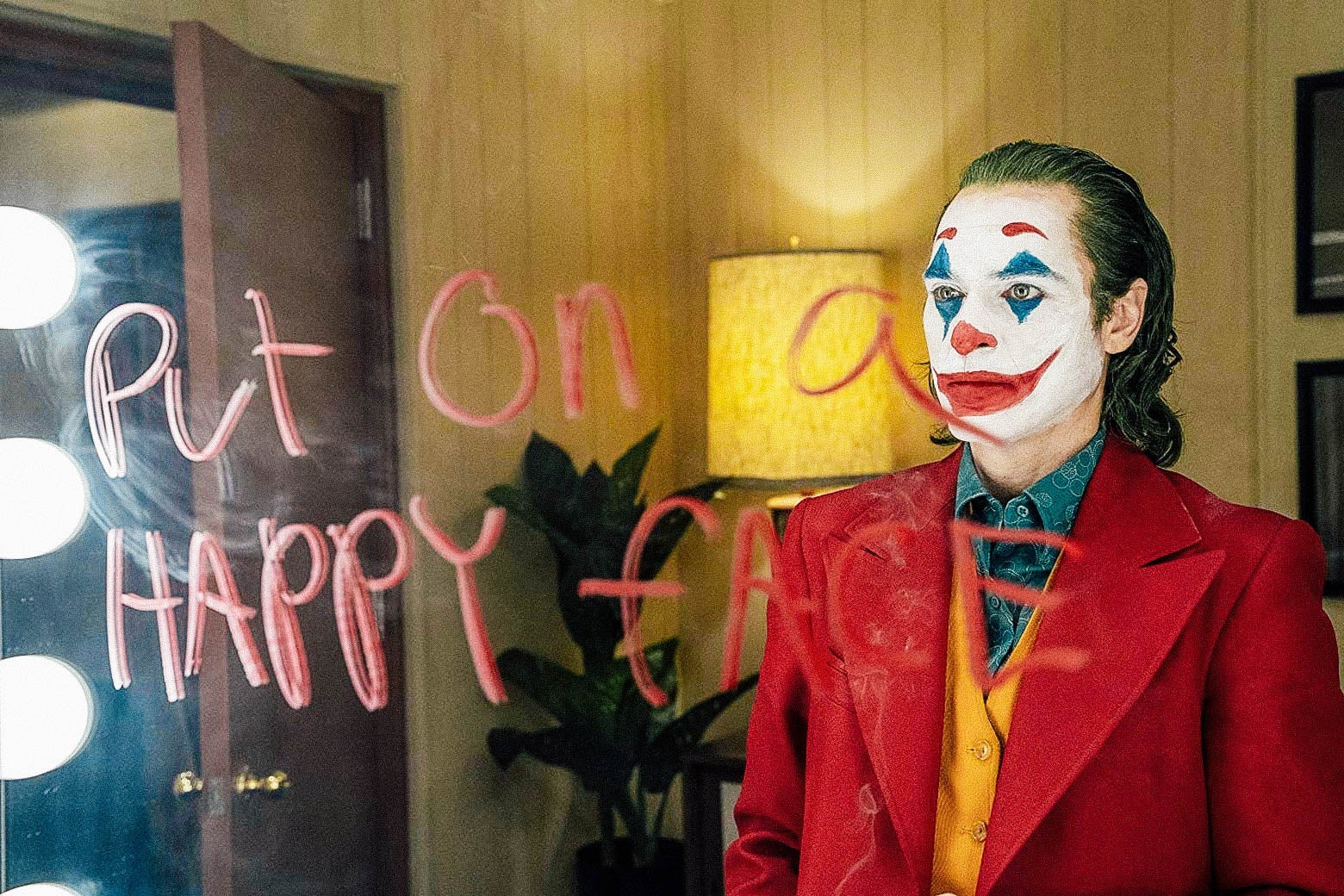
Joker (Canada/USA: Todd Phillips, 2019)


Joker (Canada/USA: Todd Philips, 2019: 121 mins)

Adkins, Ashleigh. "The Joker: “When Laughter and Medicine Fail the Psyche." Letterboxd (October 25, 2019)

Bradley, S.A. "Again, Volatile Substance: Caligari Goes to the Oscars." Hellbent for Horror #93 (April 26, 2020) [Bradley makes a case for three Best Picture nominees as horror films: Joker (Todd Phillips), 1917 (Sam Mendes), and Parasite (Bong Joon-Ho).]

Brooks, Dan. "What’s the Panic Over ‘Joker’ Really About?" The New York Times Magazine (October 2, 2019)

Cleaver, Sarah Kathryn and Mary Wild. "Joker (2019)." Projections (October 22, 2019)

DeVega, Chauncey. "Joker: A harsh indictment of neoliberalism and gangster capitalism." Salon (October 9, 2019)

Koski, Genevieve, et al. "The Man Who Laughs, Pt. 1 - The Dark Knight." The Next Picture Show #196 (October 15, 2019) ["The narrative and tone of Todd Phillips’ latest is heavily inspired by TAXI DRIVER and KING OF COMEDY, but given the attention paid to the work of Martin Scorsese on this podcast of late, we decided to look at Phillips’ new JOKER in tandem with a more literal cinematic predecessor: Christopher Nolan’s THE DARK KNIGHT, featuring Heath Ledger’s posthumous Oscar-winning performance as the Clown Prince of Crime himself. In this half we consider Ledger’s Joker in the context of a film that took a radically different approach to the comic-book movie and its villains, debate some confounding plot specifics—and whether they ultimately matter that much to one’s enjoyment of the film—and try to remember what it was like experiencing DARK KNIGHT independent of the subsequnt superhero movie deluge it helped spawn."]

---. "The Man Who Laughs, Pt. 2 - The Joker." The Next Picture #197 (October 22, 2021) ["Todd Phillips’ new JOKER gives a concrete origin story to a character who, in Christoper Nolan’s 2008 film THE DARK KNIGHT, willfully obfuscates what turned him into Gotham’s Clown Prince of Crime. In this second half of our look at two grim-and-gritty takes on the character, we examine JOKER, and some of the discourse around it, in an attempt to pinpoint meaning within an audacious and violent film, and consider how it fits into Phillips’ filmography of put-upon males processing rejection; then we dive into how it connects to DARK KNIGHT, not just in its treatment of the Joker, but also its depiction of Gotham, and its considerations of class and morality."]

Manaharan, Karthick. "'We Are All Clowns' - A Defense of The Joker." The Philosophical Salon (October 14, 2019)


Friday, May 14, 2021

Minari (USA: Lee Isaac Cheung, 2020)


 Minari (USA: Lee Isaac Cheung, 2020: 115 mins)

Chee, Alexander. "What Minari Means to Me." Gen (March 3, 2021) [Lee Isaac Chung’s film took me through his past and into my own family’s story"]

George, Peter Kim. "Minari Isn’t Really About the American Dream. It’s About US Empire." Hyperallergic (February 11, 2021) ["In Lee Isaac Chung’s drama, immigration should be considered through the lens of displacement and diaspora, with its characters exhibiting resilience rather than assimilation."]

Kang, Inkoo. "Minari Broke New Ground for Storytellers of Color, But Creatives Don’t Want to Be Pigeonholed." The Hollywood Reporter (April 14, 2021) ["The Oscar-nominated film navigates the immigrant American journey, but writer-director Lee Isaac Chung, producer Christina Oh and Steven Yeun emphasize its themes are broader than the Asian American experience: "We were just trying to tell something honest.""]

Kim, Jean. "Caught Between Worlds Minari, Nomadland, and reflections on Asian-American identity." The American Scholar (August 12, 2021)

Lazic, Manuela. "Make the Case: The Restraint of Steven Yeun in Minari." The Ringer (April 12, 2021)

Lee, Kevin B. "Kevin B. Lee’s New Video Essay Explores Mourning with Minari." Hyperallergic (April 14, 2021) ["In a Hyperallergic exclusive, Lee muses on the aftermath of the Atlanta spa shootings and how the media imagines Asian Americans."]

Rebeggiani, Stefano. "Minari is a Deeply Christian Reflection on Failure." Angelus (February 25, 2021) 


Thursday, May 13, 2021

Dialogic Cinephilia - May 13, 2021

DiCaprio, Leonardo, et al. "Back in Time: Making Once Upon a Time in Hollywood." American Cinematographer (July 26, 2019)

Gribben, Crawford. "Survival and Resistance in Evangelical America: Christian Reconstruction in the Pacific Northwest (Oxford University Press, 2021)." New Books in Christian Studies (March 29, 2021) ["In America's Pacific Northwest a group of conservative Protestants have been conducting a new experiment in cultural transformation. Dissatisfied with what they see as the clumsy political engagement and vapid literary and artistic culture of mainstream Evangelicals, these Christian Reconstructionists have deployed an altogether different set of strategies for the long game, fueled by their Calvinist theology and much-more-hopeful apocalypse. In Survival and Resistance in Evangelical America: Christian Reconstruction in the Pacific Northwest (Oxford UP, 2021), Crawford Gribben presents a hybrid study of historical, theological, literary, and anthropological analysis of this variant of Evangelical counter-culture. Gribben paints a rich and detailed portrait of this loosely banded, sometimes coordinated migration to the "American redoubt." This migration has led, in part, to the establishment of a network of communities and institutions that include churches, a liberal arts college, a publishing house, and an ambitious media strategy that has already had an outsize impact. From their outpost in Idaho and prompted by their revised postmillennial eschatology, these Christian conservatives are preparing to survive the collapse American society and to reconstruct a godly society that will usher in the Kingdom of Christ. For this group of born-again Protestants, their apocalyptic strategy is precisely to be left behind."]

Grier, Miles P. "Why (and How) August Wilson Marginalized White Antagonism: A Note for Hollywood Producers." Los Angeles Review of Books (April 12, 2021)

Jones, Matthew. "The Case for Animal Rights: A Defense of Tom Regan." Philosophy in Film (October 24, 2020) [On Tom Regan's 1987 book The Case for Animal Rights and Bong Joon-Ho's 2017 film Okja.]

Koresky, Michael, Nicholas Rapold and Amy Taubin. "Bong Joon-Ho's Parasite." Film Comment Podcast (October 26, 2019) ["At Film Comment, we love it when we get behind a movie and then see other movie-goers share the love. Parasite, the funny and fierce thriller from Bong Joon Ho, was on the cover of our September-October issue, but wasn’t released in theaters until mid-October. But what a release! Audiences are packing the theaters. To talk about the movie’s appeal and Bong’s masterful filmmaking, FC Editor-in-Chief Nicolas Rapold sat down with contributing editor Amy Taubin, who wrote out September-October feature on Parasite, and FC columnist and critic Michael Koresky."]

Lazic, Manuela. "Make the Case: The Restraint of Steven Yeun in Minari." The Ringer (April 12, 2021)

Lee, Edward Ashford. "The Coevolution: The Entwined Futures of Humans and Machines (MIT Press, 2020)." New Books in Science, Technology, and Society (April 2, 2021) ["Are humans defining technology, or is technology defining humans? In The Coevolution: The Entwined Futures of Humans and Machines (MIT Press, 2020), Edward Ashford Lee considers the case that we are less in control of the trajectory of technology than we think. It shapes us as much as we shape it, and it may be more defensible to think of technology as the result of a Darwinian coevolution than the result of top-down intelligent design. Richard Dawkins famously said that a chicken is an egg's way of making another egg. Is a human a computer's way of making another computer? To understand this question requires a deep dive into how evolution works, how humans are different from computers, and how the way technology develops resembles the emergence of a new life form on our planet. Lee presents the case for considering digital beings to be living, then offers counterarguments. What we humans do with our minds is more than computation, and what digital systems do--be teleported at the speed of light, backed up, and restored--may never be possible for humans. To believe that we are simply computations, he argues, is a "dataist" faith and scientifically indefensible. Digital beings depend on humans--and humans depend on digital beings. More likely than a planetary wipe-out of humanity is an ongoing, symbiotic coevolution of culture and technology."]

Merin, Jennifer, et al. "Movie of the Week: Sugar Daddy." AWFJ (March 28, 2021) 

Raworth, Kate. "A Renegade Solution to Extractive Economics." Your Undivided Attention (February 11, 2021) ["When Kate Raworth began studying economics, she was disappointed that the mainstream version of the discipline didn’t fully address many of the world issues that she wanted to tackle, such as human rights and environmental destruction. She left the field, but was inspired to jump back in after the financial crisis of 2008, when she saw an opportunity to introduce some fresh perspectives. She sat down and drew a chart in the shape of a doughnut, which provided a way to think about our economic system while accounting for the impact to the world around us, as well as for humans’ baseline needs. Kate’s framing can teach us a lot about how to transform the economic model of the technology industry, and help us move from a system that values addicted, narcissistic, polarized humans to one that values healthy, loving and collaborative relationships. Her book, “Doughnut Economics: Seven Ways to Think Like a 21st Century Economist,” gives us a guide for going from a 20th-century paradigm to an evolved 21st-century one that will address our existential-scale problems."]

Rowley, Rick and A.C. Thompson. "American Insurrection: Deadly Far-Right Extremism from Charlottesville to Capitol Attack. What Next?" Democracy Now (April 14, 2021) ["A scathing new report by the Capitol Police’s internal watchdog reveals officials knew Congress was the target of the deadly January 6 insurrection, yet officers were instructed to refrain from deploying more aggressive measures that could have helped “push back the rioters.” Meanwhile, The Washington Post reports domestic terrorism incidents surged to a record high in 2020, fueled by white supremacist, anti-Muslim and anti-government extremists on the far right. The Post found that, since 2015, right-wing extremists have been involved in 267 plots or attacks, leading to 91 deaths. Reporter A.C. Thompson, who explores the threat of far-right extremism in the new PBS “Frontline” documentary “American Insurrection,” says there was a “massive pool of radicalized individuals” ahead of the January 6 attack who were being pushed toward violence by “an abundance of lies by the former president, by this entire conspiratorial right-wing media and social media ecosystem.” We also speak with director Rick Rowley, who says many white supremacist groups began to splinter during the intense backlash to the violence in Charlottesville in 2017, but Trump gave the groups new life ahead of the January 6 insurrection. “Many elements inside the white supremacist movement found in him a path into the mainstream,” says Rowley. “They took off their swastikas, and they wrapped themselves in the flag.”]


Monday, May 10, 2021

Dialogic Cinephilia - May 10, 2021

Bastién, Angelica Jade. "Them is Pure Degradation Porn." Vulture (April 14, 2021) 

Bronstein, Ronald, et al. "Josh & Benny Safdie and Uncut Gems Team on the Making of Their Electrifying Crime Thriller." Film at Lincoln Center Podcast #256 (October 7, 2019) ["On Day 11 of our New York Film Festival daily podcast, we explore the making of the festival’s surprise screening, Uncut Gems. In the introduction, Eugene Hernandez, FLC’s Deputy Director and Co-Publisher of Film Comment, is joined by Eric Kohn, IndieWire’s Executive Editor & Chief Critic, to discuss NYFF, the importance of film festivals, and the evolution of the Safdies. Then we go to yesterday’s NYFF Live talk on the making of Uncut Gems, moderated by Kohn. Directors Josh and Benny Safdie (Heaven Knows What, Good Time) were on hand to detail the process of making this electrifying New York City-set thriller, joined by co-writer and editor Ronald Bronstein, producer Sebastian Bear McClard, composer Daniel Lopatin, and casting director Jen Venditti."]

Dornelles, Juliano, et al. "Bacurau." The Film Comment Podcast (October 7, 2019) ["The new film Bacurau centers upon the residents of a remote Brazilian village who gradually discover that they’re being hunted by a group of Western tourists. Part class-warfare satire, part thriller, the movie gripped audiences at the New York Film Festival and it marks a major achievement by its directors Kleber Mendonça Filho and Juliano Dornelles. In this episode, FC Editor-in-Chief Nicolas Rapold joins FC Assistant Editor Devika Girish in a conversation with Mendonça Filho and Dornelles where they discuss five key scenes from the film. These include the opening scene, which takes us via drone shot and truck drive into the film’s remote setting; a psychotropic interlude in which the residents of Bacurau dance the capoeira in preparation for battle; and finally a climactic action sequence that occurs in a local museum. They also discuss a memorable exchange between Udo Kier, who appears here as the icy-cruel leader of the mercenaries, and Brazilian acting legend Sonia Braga, who plays the village matriarch. Listen ahead for details on the making of each scene."]

Kang, Inkoo. "Minari Broke New Ground for Storytellers of Color, But Creatives Don’t Want to Be Pigeonholed." The Hollywood Reporter (April 14, 2021) ["The Oscar-nominated film navigates the immigrant American journey, but writer-director Lee Isaac Chung, producer Christina Oh and Steven Yeun emphasize its themes are broader than the Asian American experience: "We were just trying to tell something honest.""]

Koski, Genevieve, et al. "The Man Who Laughs, Pt. 1 - The Dark Knight." The Next Picture Show #196 (October 15, 2019) ["The narrative and tone of Todd Phillips’ latest is heavily inspired by TAXI DRIVER and KING OF COMEDY, but given the attention paid to the work of Martin Scorsese on this podcast of late, we decided to look at Phillips’ new JOKER in tandem with a more literal cinematic predecessor: Christopher Nolan’s THE DARK KNIGHT, featuring Heath Ledger’s posthumous Oscar-winning performance as the Clown Prince of Crime himself. In this half we consider Ledger’s Joker in the context of a film that took a radically different approach to the comic-book movie and its villains, debate some confounding plot specifics—and whether they ultimately matter that much to one’s enjoyment of the film—and try to remember what it was like experiencing DARK KNIGHT independent of the subsequnt superhero movie deluge it helped spawn."]

---. "The Man Who Laughs, Pt. 2 - The Joker." The Next Picture #197 (October 22, 2021) ["Todd Phillips’ new JOKER gives a concrete origin story to a character who, in Christoper Nolan’s 2008 film THE DARK KNIGHT, willfully obfuscates what turned him into Gotham’s Clown Prince of Crime. In this second half of our look at two grim-and-gritty takes on the character, we examine JOKER, and some of the discourse around it, in an attempt to pinpoint meaning within an audacious and violent film, and consider how it fits into Phillips’ filmography of put-upon males processing rejection; then we dive into how it connects to DARK KNIGHT, not just in its treatment of the Joker, but also its depiction of Gotham, and its considerations of class and morality."]

Romney, Jonathan. "Los conductos is a swirling, cryptic journey into a hellish Medellín night." Sight and Sound (April 14, 2021) [" Camilo Restrepo’s stunning debut mixes up myth, fantasy and contemporary Colombian social reality to potent effect."]

Sandoval, Isabel. "Seeing as the Other: Klute and Senorita." E-Flux #117 (2021)


Sunday, May 9, 2021

Dialogic Cinephilia - May 9, 2021

“Why should an artist’s way of looking at the world have any meaning for us? Why does it give us pleasure? Because, I believe, it increases our awareness of our own potentiality.”
— John Berger, Permanent Red: Essays in Seeing (1960)


Cleaver, Sarah Kathryn. "Swept Away: A Thematic Dive Into the Depths of Undine."  Curzon (April 1, 2021)


Davis, Joseph E. "When Your Authenticity is an Act, Something's Gone Wrong." Psyche (March 31, 2021)

Dorian, M.J. "Listener Q&A." Creative Codex #10 (September 2019) ["Our first Listener Q&A episode!!! So many compelling questions including: Are left handed people more creative? Was Nikola Tesla spiritual? How do you quiet the doubting voices in your mind? What was Frida Kahlo's life like after the accident? Is creativity a supernatural force? What is the nature of evil?"]

---. "The Origin of Art." Creative Codex #1 (August 18, 2018) ["Travel back 40,000 years to the first known art made by human hands. How did creativity begin? Why does 'art' exist?"]


Sunday, May 2, 2021

Dialogic Cinephilia - May 2, 2021

Becker, Elizabeth. "You Don't Belong Here." On the Media (April 30, 2021) ["Before the Vietnam War there was a law that banned women from reporting on the frontlines of any war for the U.S. When President Johnson refused to officially declare a state of war in Vietnam, an opening appeared: no war, no ban. A handful of pioneering women bought one-way tickets into the battlefield. They had no editors, no health insurance and little or no formal training. This week, Brooke spoke about this time to reporter Elizabeth Becker, formerly a Washington Post war correspondent in Cambodia, NPR's foreign editor and then national security correspondent for the New York Times. Becker is the author of a new book: You Don't Belong Here: How Three Women Rewrote the Story of War."]

Dorian, M.J. "H.R. Giger: A Beautiful Darkness." Creative Codex #9 (September 2, 2019) ["H.R. Giger is considered by many to be the most evil artist in history. Join us as we take a deep dive into the abyss where Giger's strange ideas are born. In this episode we also explore: how did Giger create a style so distinct that people see it as 'out of this world'?"]

Koski, Genevieve, et al. "Vice Principles Pt. 1 - Casino." The Next Picture Show #194 (September 24, 2019) ["The big question at the heart of Lorene Scafaria’s new Hustlers — one about the corrupting force of American capitalism and who is allowed to rip off whom — is the same one that drive’s Martin Scorsese’s 1995 Vegas gangster epic Casino, a question both films address with no small amount of verve and flash. In this half of our vice-ridden pairing, we dig into Casino’s reputation as a Goodfellas retread and how its characters conform, or don’t, to our expectations about Scorsese characters."]

---. "Vice Principles Pt. 2 - Hustlers." The Next Picture Show #195 (September 30, 2019) ["Lorene Scafaria portrays the criminal scam at the heart of Hustlers with a sort of cinematic brio that has earned the film comparisons to the work of Martin Scorsese, in particular the similarly flashy Vegas epic Casino — and not just because both prominently feature chinchilla fur coats. In this half of our vice-ridden pairing, we talk over what works and what doesn’t about Hustlers before diving into the two films’ shared preoccupations with destructive trust and capitalist systems and compare the filmmaking flourishes Scafaria and Scorsese use to draw viewers into their seductive worlds."]

Meek, Michelle. "Sex Sells—But Why? and How? Author Maria San Filippo on Sexual Provocation in Film and TV." Ms. (April 6, 2021) ["How has sexual provocation been used by female filmmakers as a feminist act? Is it possible to separate art from artists? How have sex scenes changed over the years?" In her latest book Provocauteurs and Provocations: Screening Sex in 21st Century Media, San Filippo examines the history of sexual provocation in the media. Yes, sex sells—but why and how? In particular, she examines how female and queer filmmakers coopt sexual provocation for their own radical and sometimes even radically ordinary purposes.]

Phillips-Fein, Kim. "On the Businessmen's Crusade Against the New Deal." Who Makes Cents? #10 (April 1, 2015) ["Kim Phillips-Fein discusses her book Invisible Hands: The Businessmen’s Crusade Against the New Deal. Today we’ll focus on the history of resistance to the New Deal. Kim Phillips-Fein details how many of the most prominent elites had their ideas and practices shaped by groups that were part of organized resistance to the New Deal. She argues that this history helps revise common understandings of the rise of conservatism in the 1970s and after."]

Rankin, Matthew. "The Twentieth Century." Cinematalk (November 2020) ["As a bonus to the Cinematheque's presentation of The Twentieth Century, Mike King leads a lively conversation with the movie's ingenious creator, Matthew Rankin. Their talk touches on Canadian national identity, the real and fake Mackenzie King, "dollar store" production design, and much more."]

Tassell, Nige. "Why the Coen Brothers’ Cinematic Sleight of Hand is So Good." Literary Hub (March 19, 2021)


Tuesday, April 27, 2021

Post-Pandemic Detox: Healthy Diet

I've been diagnosed with elevated cholesterol and I'm determined to lower it without medication - it should be no problem as I am active and I don't have a family history of HC. My plan, sharing if others are interested in research on this, as it can be confusing.

Follow a balanced, bright, and colorful, minimal meat, low fat/low sugar diet, stay regularly active (also diversify your activities) and maintain a healthy weight.
  Avoid supplements unless absolutely necessary because of a diagnosed deficiency. A good, whole food, daily multivitamin is enough.  Build up to 25 - 30 grams of fiber a day (drink lots of water because of the high fiber).

Don’t be obsessive when you are out with others or in a restaurant. Moderation in moderation. If you are following this regularly at home and when you eat out by yourself, you can have the flexibility to indulge in a decadent treat.  I like the policy of being gracious about the foods people provide to me (I’m not a vegan) and I consider it a generous gift if someone has prepared something for me (a dinner or cocktail or whatever).

Good:

Fish – those that are high in omega 3-fatty acids like salmon, tuna, mackerel, herring, sardines and trout. The American Health Association suggests two servings of fish a week. Again, choose a healthy method of cooking.  Scallops are good, avoid shrimp. Shellfish as an occasional treat, do not bath it in butter. Do not bread or fry your fish. 

Nuts and Seeds – almonds and walnuts are high in mono-unsaturated fats, or healthy fats, but ¼ cup of nuts is 200 calories. Nuts are another good source of monounsaturated fats. Eating 1 oz of any kind of nuts daily for one month may lower LDL Cholesterol by 8 to 20 percent. Snack on an ounce a day — the equivalent of 23 almonds, 35 peanuts, 14 English walnut halves, 49 pistachios, or 2 tablespoons of peanut butter. Or add chopped nuts to salads, pasta, or yogurt. Nuts do have a lot of calories, so don’t eat them by the fistful. Be aware of salted or flavored packaging. Chia and hemp seeds!
Oats and Barley – high in soluble fiber, which acts like a digestive sponge to soak up cholesterol so you excrete it rather than carry it in your blood. Don’t use oatmeal packets, though, since they contain higher amounts of sugar. Use old-fashioned, quick-cooking or steel-cut oats instead. Oat bran on yogurt. Barley in soups, salads, etc….. 
Buckwheat, Farro, Quinoa, Bulgur Wheat
Berries
– all berries, like blueberries and strawberries, are high in antioxidants that help decrease blood pressure. We’re going for color. How colorful is your diet?
Beans, Peas (moderation), kidney beans, Lentils, garbanzo, chickpeas, endame and Peanuts– they’re high in fiber, a good protein alternative without unhealthy fat.
Make rice and beans or bean-based soups. Toss beans, lentils, or peas into salads, or swap them in for meat in pasta dishes. The TLC diet recommends three to five half-cup servings daily of vegetables, dry beans, or legumes. Check canned beans to make sure they don’t have added sugar or pork.
Tomatoes – they are very high in potassium and antioxidants “and we’re thinking color again.” Drink low-sodium tomato juice, add tomatoes to salads and sandwiches, and use no-salt-added tomato sauce on pasta and to top side dishes of veggies.Cooking or eating tomatoes with a little oil helps your body absorb more lycopene.
Avocados – these add great heart-healthy fats to a diet but watch the guacamole ingredients. A superb accompaniment for a wide range of dishes and great as a quick snack with other veggies, or on toast (whole grain).

Extra-virgin olive oil – substitute EVOO for butter, since olive oil is the “Mediterranean butter.” This oil contains the healthier mono-unsaturated fat. It has a distinct flavor, though, so it might not be right for all your cooking. It’s best in salads, and for dipping breads and veggies. Polyunsaturated fats, found primarily in corn, safflower, sesame, soybean, and sunflower oil, may slash LDL cholesterol. Monounsaturated fats, found mainly in olive, avocado, and canola oil, not only lower LDL, but may also raise HDL. Moderation 1 teaspoon to 1 tablespoon. You can use olive oil as a substitute for butter when basting meats. Walnut and flaxseed oils are also great alternatives.

Allium Vegetables – Garlic and onions are said to reduce inflammation in the body. Garlic lowers cholesterol and can reduce blood pressure. Also chives and leeks.

Dairy – it’s great for calcium but choose low- or no-fat options.
Eggs: Just beware the sides, especially bacon and saturated fat laden omelettes.
Most of the cholesterol in the body is made by the liver, not delivered through diet. And while diet does matter, research has found that cholesterol levels have more to do with the fat you eat, namely saturated and trans fats, than cholesterol.  And eggs contain healthy nutrients, including vitamins A and D, as well as protein. Long-term population studies show that eating an egg a day hasn't been linked to higher rates of heart attack or stroke. 
Dark Leafy Greens – traditional lettuce, kale, chard, arugula, and spinach varieties, and the ends of beets, collard & mustard greens and similar veggies
Mushrooms – all kinds

Endame and Soy – endame as a side, snack or on salads. Soy as a meat substitute (get good products – soy has a lot of problems related to mass production).  Jackfruit is another good meat substitute, I like the chorizo style.
Drip Filtered Coffee (filters remove the cholesterol raising elements of coffee)
Fruit: Apples, Oranges, Bananas, Red Grapes, Pears, Oranges, Grapefruit, Pomegranate, Lemons, Limes, raisins, cucumbers (Juices – 100% fruit, no sugar added)
Veggies: Broccoli, Brussel Sprouts, Sweat Potatoes, Asparagus, Cauliflower, Bok Choy, Cabbage, Carrots, beets, parsnips, potatoes, and yams
(Veggie drinks – must be low sodium)
Canola Oil
Alcohol in moderation (no more than two normal drinks for an adult male – red wine or clear alcohol without sugar mixers preferrable… calorie laden craft beers, very much in moderation. I love specialty beers, just keep in mind, roughly, lager 135 calories, regular IPA 200ish (going upward for double), regular stout 250ish, barrel aged stout app 350 calories.
Exercise – at least five times a week. Mix it up, make it fun, or at least interesting :)
Local, pasture raised, grass fed meats and eggs
Turkey is the lowest cholesterol of the bird meats (followed by chicken – both without skin)
Hot Sauces and peppers (these are life savers – I use them liberally and as alternatives for saturated fat laden condiments)
Teas: Green Tea (1 -2 cups a day); I love the feel of Ginger/turmeric/galangal teas – choose your favorites, learn what they can do for you
Dark Chocolate (moderation) and Cacao (smoothies or hot chocolate)
Thai food (one of my favorites) is spicy and delicious, but it can raise your cholesterol if you don't choose carefully. The secret ingredient? Coconut milk. It makes curries smooth, and it's high in saturated fat. Scan the menu instead for stir fries or noodle dishes, and ask to have your dinner steamed or made with vegetable oil. Choose chicken or soy, rather than beef, throw in some extra veggies, and enjoy your takeout guilt-free.
Probiotics besides yogurt: Kimchi, kombucha, kefir, miso, sauerkraut (check for sugars and sodium). There is good evidence that certain probiotics, particularly Lactobacilli, can help reduce cholesterol. They do this by preventing cholesterol from being made and absorbed, as well as by helping break it down


Bad:
Prime cuts of beef (including organ meats – definitely not a problem for me)
Processed Meats: Bacon (noooooooo!), sausage, cold cuts, etc)
Ice Cream and Gelatto
Whole & 2% Milk and cheese
(if you need cheese, get hard cheese… the slower grating process resists binge eating like takes place with the softer cheeses. Mozarella, feta, and cottage cheese are also good alternatives - in moderation)
Sour Cream (you can substitute non-fat yogurt in recipes)
French Press Coffee
Smoking tobacco (not a problem for me, but just fyi) 
Excessive alcohol
Butter, Margarine and Ghee
Coconut milk and coconut oil (Coconut oil is extremely high in saturated fat — about 50 percent more than butter, even.)

Most granola (Eat granola that is sweetened only with dried fruit, honey or maple syrup, and that has at least 20 percent of the recommended daily value for fiber. )
Shrimp (high in cholesterol)
Flour tortillas (there are high fiber tortillas that could work, almond tortillas are great (I get mine at costco), and corn tortillas if they are not made with lard)
Pasta (refined wheat/etc types). When you do indulge, think marinara or marsala, not meatballs, and linguine with clams, not lasagna.
Energy Bars (almost all of them – check saturated fats and palm oils)
Duck and Goose
Starchy Veggies: Some vegetables are better than others when you're watching your triglycerides. Limit how much you eat of those that are starchy, like corn and peas. That way, your body won't turn the extra starch into triglycerides.


Adapted from: Mayo Clinic, Web MD, Healthline, Everday Health, Harvard University